Ceramic or Porcelain Tile?
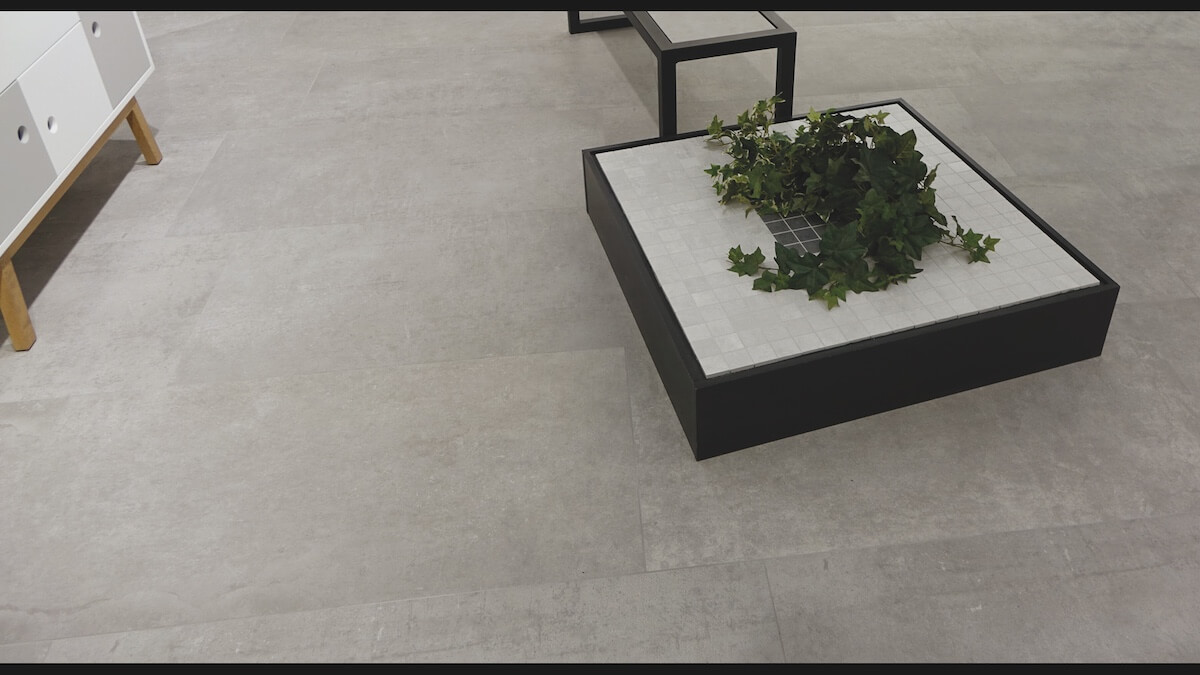
Available in every color and style, modern porcelain tiles offer the beauty of natural flooring materials for a lower cost with minimum care.
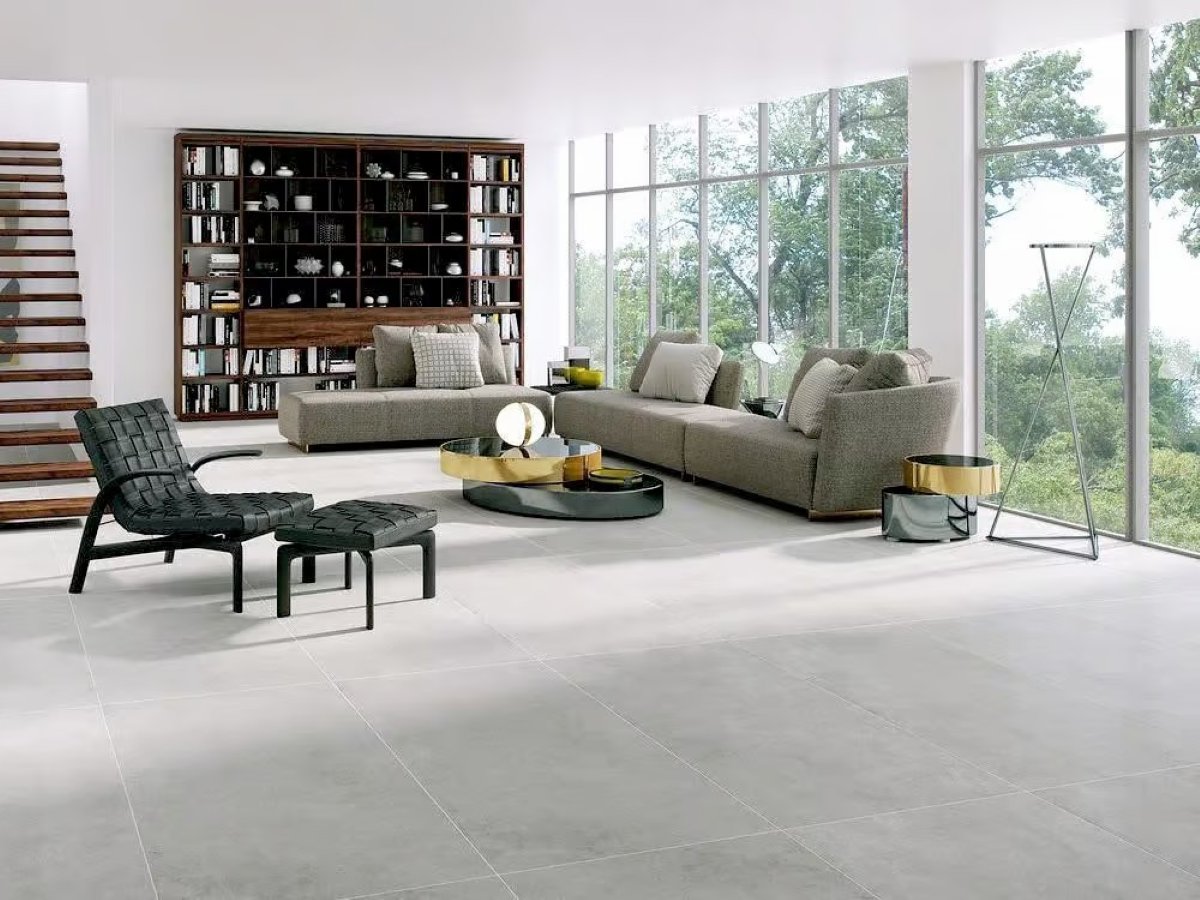
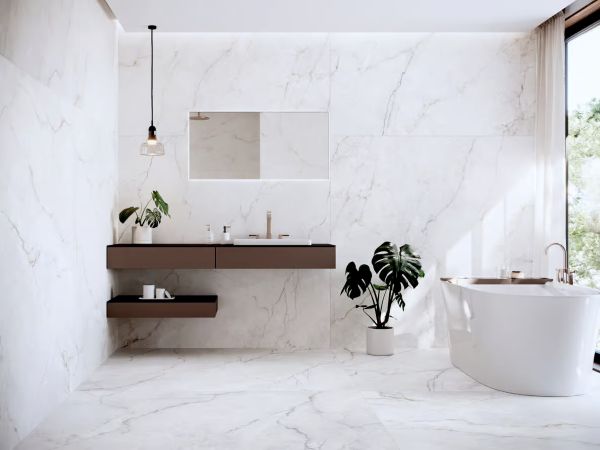
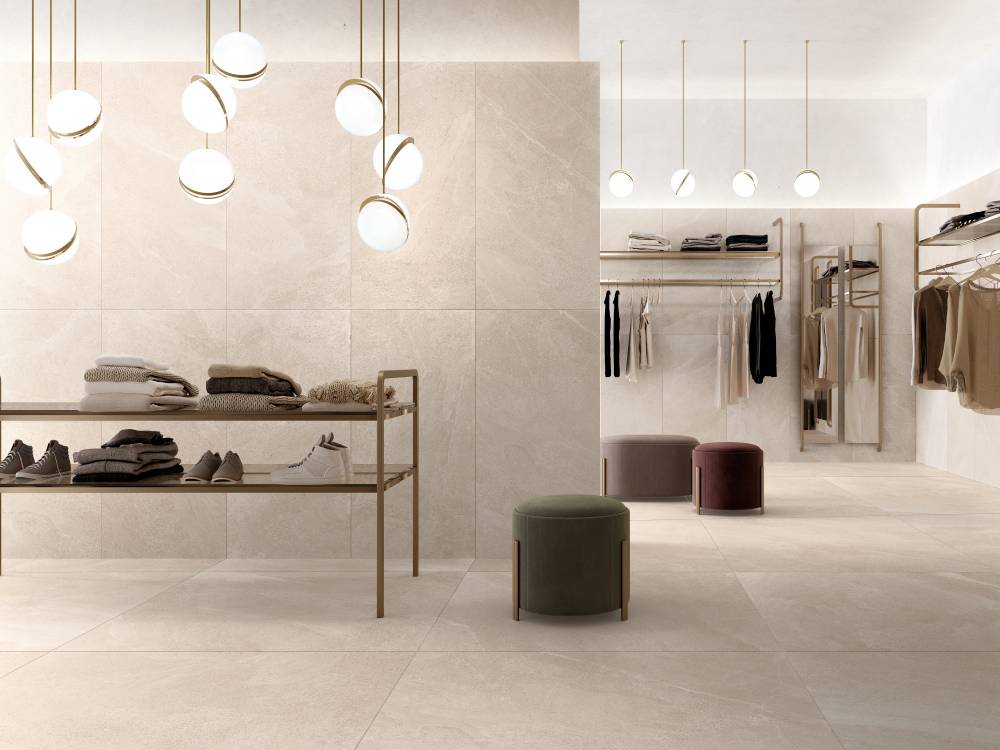
Modern porcelain floor tiles are the most popular flooring materials across the world, replacing all other traditional flooring products. Today marble, travertine, hardwood, and even industrial concrete floors are available in their porcelain version. So, the same exact look for a lower cost with minimum care.
If you’re going to remodel your house or just a part of it that involves tiles for floors or walls, we would like to explain the basics of ceramic tiles which will help you understand the product that you may want to use for your project. Based off of our experience with customers, you’re most likely more curious about porcelain than you are ceramic. But, we would like to start off with ceramic tiles to provide a better understanding.
What type of tile to choose for floors: Ceramic or Porcelain Tile?
While almost everybody is somewhat familiar with the term ceramic and porcelain, many people don’t know the difference between the two. When it comes to choosing floor or wall tiles, the question of ceramic or porcelain tile becomes the confusing. The simple answer is: Porcelain tile is the name for a ceramic tile made denser and stronger. It is a great choice for floors and walls whereas, ceramic tiles are great for mostly for walls. Here are the details:
According to science textbooks and dictionaries, “Ceramics are nonmetallic and inorganic solids that aren’t metal or based on carbon compounds.”
As a product, porcelain, in its entirety, is categorized under ceramic products.
How Ceramic tiles are made?
The main ingredients of ceramic tiles are clay, sand, and water. First, clay and sand are grounded into tiny particles and mixed with water and various other elements. The mixture goes under a hydraulic press where it gets its tile shape and hardens. Soon after, the tiles move to a dryer prior to a priming process, called engobing. Once engobing is done, our tile is ready for the inkjet printing, where the desired colors and the designs are printed into the tile. Eventually, printed tiles are covered with glaze and then fired.
How Porcelain tiles are made?
When clay, sand and water mix is strengthened with cement and fired into much higher temperatures, ceramic tile becomes harder, stronger and less absorbent. This is the ceramic tile that we call porcelain tile. For a ceramic tile to be considered a porcelain tile, it must have 0.5% or below water absorption.
What is glazed porcelain?
The word glaze comes from the word glass. This is a non-porous layer that contains liquified glass and covers and fills the surface of the tile. The glaze can be either shiny or matte.
Shiny glaze or polished?
In ceramic/porcelain industry, a glossy surface can be obtained in two ways.
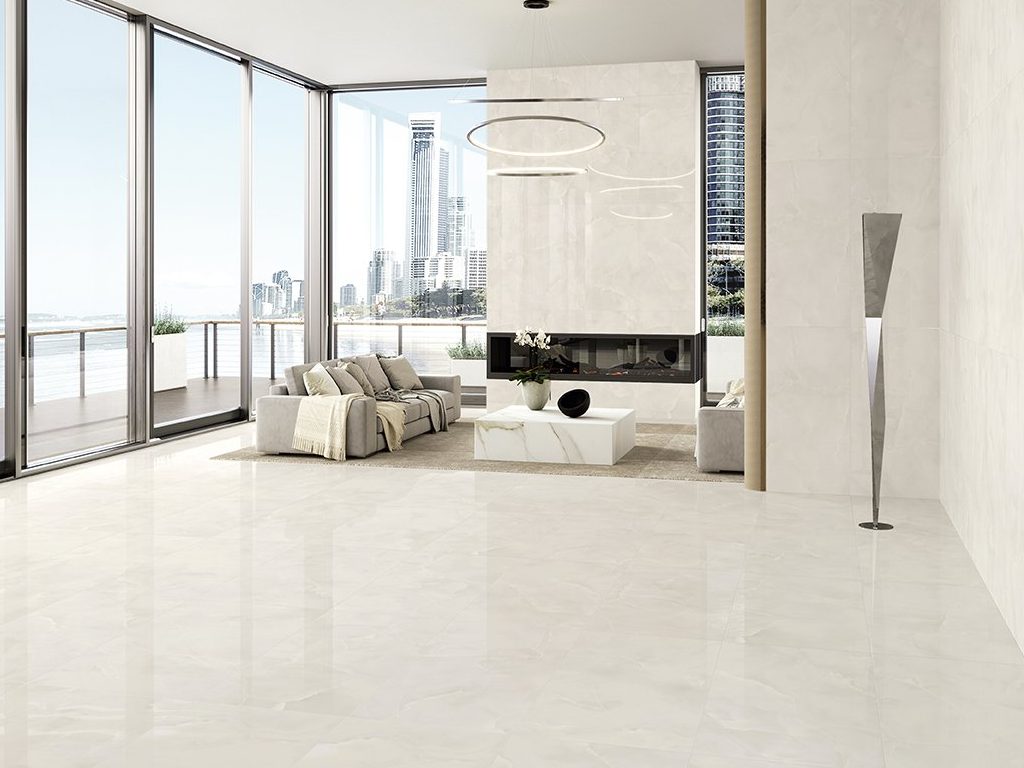
First one is to use a shiny glaze. This is the type of glaze that we see in pottery. It is the same glaze that covers the surface our kitchen plates or coffee mugs. However, the glossy effect of this glaze is a little different that the gloss that we see in polished finish. When looked at from a certain angle, it ripples like an orange peel and it is also known to be slippery.
Polishing is is the result of a mechanical process. Polished tiles are initially produced with the matte glaze and they are buffed with a type of glass crystal until the glaze becomes glossy like marble. Then, a nano sealing process covers the surface. Nano sealing also helps tile gain some friction. Therefore, polished tiles are significantly less slippery than shiny tiles.
What is red body tile?
The ceramic tile’s body is traditionally in red color due to the clay’s original color. The term red body refers to ceramic tile.
What is white body tile?
The white body is a type of ceramic used for wall tiles that weigh lighter than traditional ceramic and porcelain tiles. White body tiles stick easier to walls and easier to work with. Over 90% of tiles with 3d surfaces are white body wall tiles. These tiles are uniquely manufactured for walls and can not be used as floor tiles.
Minimum grout Lines
Factory recommended grout lines are 2 millimeters (5/64″). The most common practice is 1/16″.
Please click here to read our blog about grout lines for more detailed information.
Are matte tiles less slippery?
Definitely not. This is a common misconception. Whether glossy or matte, glazed tiles are slippery due to the liquid glass composition of the glaze.
Some tiles are manufactured with a textured surface which provides extra friction. However, this friction is measured with a test called dynamic coefficiency of friction (DCOF). Tiles with a DCOF value equal to or over 0.42 meets the minimum requirement for wet surfaces. Tiles with the best performance in wet areas are called R11.