Wholesale Tile Pricing: How It Works
What is Behind Tile Prices?
If you’re on the hunt for wholesale tiles, you likely want to cut out the middleman and enjoy the savings of buying directly from the source. It’s a logical thought—but the world of wholesale tile is more complex than it seems. To truly understand how wholesale tile works and why prices vary, we need to explore how different types of tile importers operate, the factors that influence their costs, and how that translates into the prices you see.
At the end of this guide, you’ll see why buying tile online from a streamlined operation is often the smartest way to get top-quality tiles at unbeatable prices.
At the end of this guide, you’ll see why buying tile online from a streamlined operation is often the smartest way to get top-quality tiles at unbeatable prices.
What Does Wholesale Tile Really Mean?
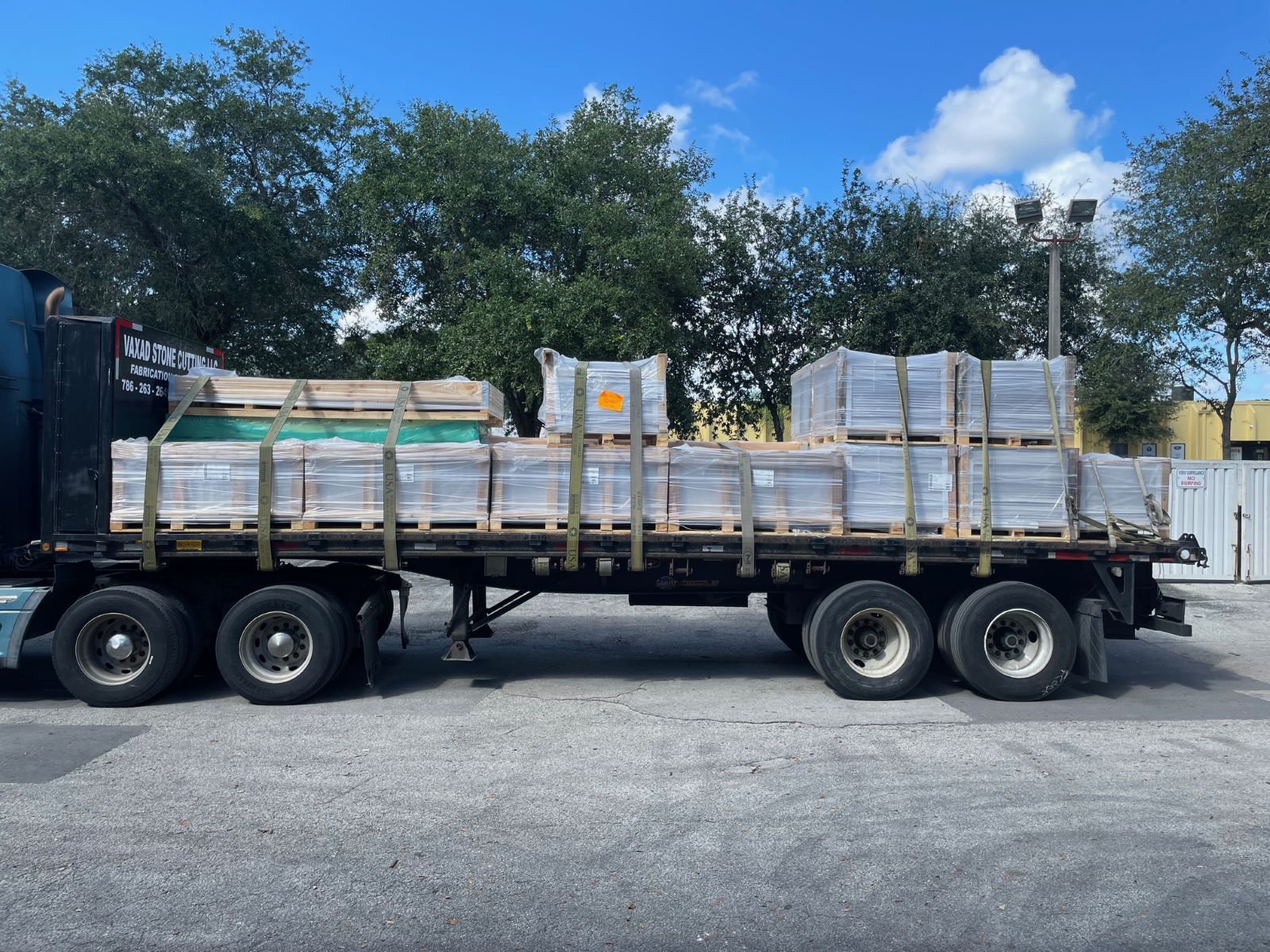
First, it’s important to understand what people mean when they talk about “wholesale tile.” Technically speaking, every tile store operates as a wholesale company to some extent. Why? Because tiles are typically sold and distributed in massive quantities. Tiles don’t arrive by a few boxes; they come in enormous shipping containers holding thousands of square feet. These containers are imported directly from manufacturers around the world.
If you were to approach a manufacturer directly, you could theoretically purchase tiles at wholesale prices. However, most manufacturers only sell full 20-foot containers of tile. That’s no problem for established wholesalers who can store large inventories. But for individuals or smaller operations, it’s not practical to manage these quantities, and that’s why wholesalers act as a bridge between manufacturers and local customers.
The wholesale tile ecosystem is a fascinating web of players, each catering to different markets and price points. This brings us to the types of tile importers and how their business models work.
If you were to approach a manufacturer directly, you could theoretically purchase tiles at wholesale prices. However, most manufacturers only sell full 20-foot containers of tile. That’s no problem for established wholesalers who can store large inventories. But for individuals or smaller operations, it’s not practical to manage these quantities, and that’s why wholesalers act as a bridge between manufacturers and local customers.
The wholesale tile ecosystem is a fascinating web of players, each catering to different markets and price points. This brings us to the types of tile importers and how their business models work.
Types of Tile Importers
Our operations are streamlined compared to larger distributors, allowing us to maintain significantly lower overhead costs. We take pride in selling our products directly, which means we don’t compromise on quality for cost. We choose to partner with reputable factories that prioritize quality, ensuring that our selection is not only unique but also of superior quality, potentially offering the most competitive prices nationwide.
Even though, we cooperate with a few other warehouses, we can’t offer thousands of different tiles as regular tile stores do. But we can still offer a big selection of a cherry picked tiles.
Besides, our exclusive brands are often considered too premium for wholesale companies, making them a rare find in other stores.
Ultimately, the goal is to discover a tile that resonates with your taste at a value that is just as appealing. We also believe our online store delivers a personalized shopping experience, ensuring your complete satisfaction with our unique selection.
Even though, we cooperate with a few other warehouses, we can’t offer thousands of different tiles as regular tile stores do. But we can still offer a big selection of a cherry picked tiles.
Besides, our exclusive brands are often considered too premium for wholesale companies, making them a rare find in other stores.
Ultimately, the goal is to discover a tile that resonates with your taste at a value that is just as appealing. We also believe our online store delivers a personalized shopping experience, ensuring your complete satisfaction with our unique selection.
1. Large-Scale Wholesale Tile Companies
These companies serve as the titans of wholesale. Their strategy is built on volume, which means they import 10 of thousands of containers annually. The goal? To supply as many tile stores as possible across wide geographic regions.
Large wholesale companies stock a vast inventory to ensure they can meet the needs of their customers. Common tiles, like classic 12×24, 24×24, or wood-look planks (8×48), form the backbone of their offerings because these sizes represent a lower cost higher profit. Larger format tiles like 24×48 or 48×48 tiles, though popular, make up a smaller portion of their stock due to their higher production and operational costs.
These companies rarely sell to the public. Instead, they focus on serving their primary clients—tile stores—which typically repetitively buy and earn lower prices.
Large wholesale companies stock a vast inventory to ensure they can meet the needs of their customers. Common tiles, like classic 12×24, 24×24, or wood-look planks (8×48), form the backbone of their offerings because these sizes represent a lower cost higher profit. Larger format tiles like 24×48 or 48×48 tiles, though popular, make up a smaller portion of their stock due to their higher production and operational costs.
These companies rarely sell to the public. Instead, they focus on serving their primary clients—tile stores—which typically repetitively buy and earn lower prices.
2. Mid-Sized Wholesale Tile Companies
Mid-sized wholesalers operate on a more selective scale. They often market themselves as high-end suppliers, catering to tile stores that want unique designs or premium-quality tiles. These companies prioritize specific regions, usually within a 250-300 mile radius, and adjust their inventories to local preferences.
Unlike large-scale wholesalers, mid-sized companies may have a more curated selection that emphasizes higher-margin or exclusive pieces. They’re still bound to the trade, preferring to sell to retail stores rather than directly to homeowners.
Unlike large-scale wholesalers, mid-sized companies may have a more curated selection that emphasizes higher-margin or exclusive pieces. They’re still bound to the trade, preferring to sell to retail stores rather than directly to homeowners.
3. Small-Scale Wholesale Tile Companies
Small wholesalers prioritize low prices. To do this, they often stock Asian-manufactured tiles, which are more affordable but may sometimes sacrifice quality or uniqueness compared to European options.
Their goal is to get their tiles displayed in as many stores as possible. While price-conscious tile stores might happily work with them, others may avoid stocking cheaper products for fear of losing their upscale reputation. On occasion, small wholesalers sell directly to homeowners but typically at higher prices to maintain their trade relationships
Their goal is to get their tiles displayed in as many stores as possible. While price-conscious tile stores might happily work with them, others may avoid stocking cheaper products for fear of losing their upscale reputation. On occasion, small wholesalers sell directly to homeowners but typically at higher prices to maintain their trade relationships
4. Retailers Who Wholesale
Some retail tile stores play a dual role by importing their own tiles. These companies fall into three categories:
Small-scale importers bring in a few containers of best-sellers to cut costs while maintaining access to a broad inventory from wholesalers.
Mid-sized importers bring in dozens of containers, balancing self-imported stock with products from wholesalers. However, they must price their inventory carefully to avoid confusing customers over cost differences.
Large-scale retailers import enough tiles to build their own collections. This requires warehouse space for over 1,200,000 square feet of tile, which must turn over at least four times a year to keep operations profitable. These stores often expand their reach by partnering with other retailers outside their local markets, avoiding competition while diversifying their client base.
Small-scale importers bring in a few containers of best-sellers to cut costs while maintaining access to a broad inventory from wholesalers.
Mid-sized importers bring in dozens of containers, balancing self-imported stock with products from wholesalers. However, they must price their inventory carefully to avoid confusing customers over cost differences.
Large-scale retailers import enough tiles to build their own collections. This requires warehouse space for over 1,200,000 square feet of tile, which must turn over at least four times a year to keep operations profitable. These stores often expand their reach by partnering with other retailers outside their local markets, avoiding competition while diversifying their client base.
Operational Costs and Their Impact on Pricing
The cost of wholesale tile isn’t just determined by the price of manufacturing. A significant portion comes from operational expenses. Here’s a closer look at these hidden costs and how they affect pricing.
Leftover Inventory
Tiles are sold in batches known as “shades,” and mixing shades is considered poor practice. As a result, most containers have leftover inventory after the majority of the stock is sold. For example, a business importing 400 containers annually will need to store leftover tiles, often totaling tens of thousands of square feet. Managing this surplus requires additional space and resources, driving up operational costs.
Sampling and Sales Teams
Wholesale demands visibility. A wholesaler might offer 200 different tiles, but to sell those tiles, they need to display samples in as many stores as possible. Creating and distributing these samples comes with high costs. Additionally, a larger inventory means more sales reps are needed to connect with stores, further increasing overhead.
Warehousing and Staffing
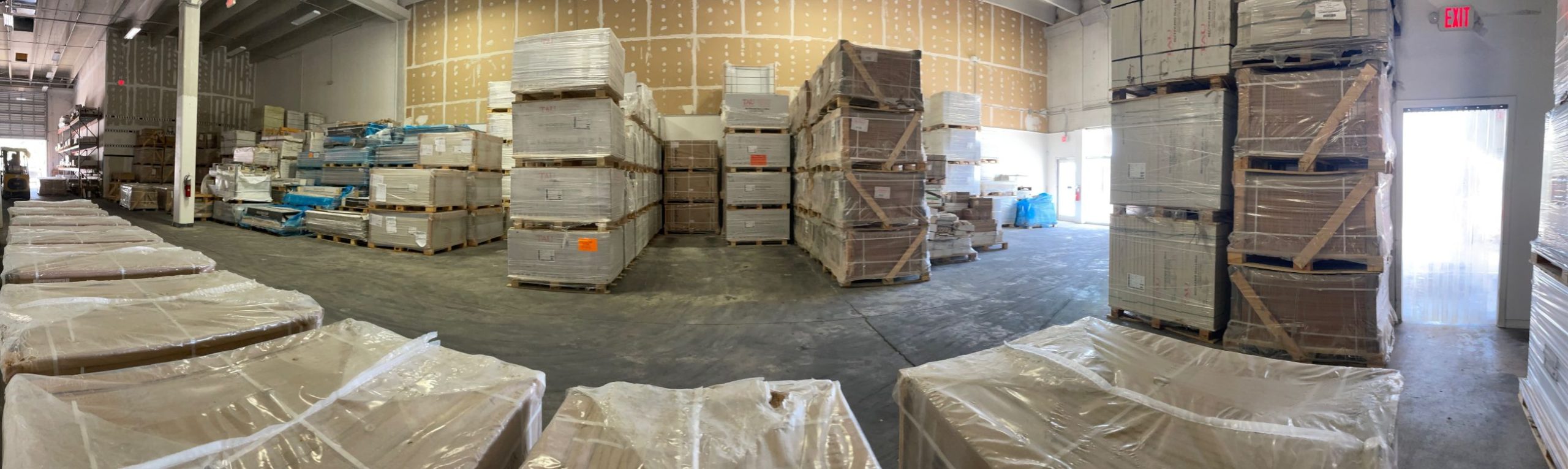
Warehousing is one of the largest expenses for wholesalers. The more tiles imported, the more storage space is needed. Staffing costs also rise with scale, requiring support for warehouse operations, clerical work, and customer service. Other miscellaneous costs, such as maintaining showrooms or investing in logistics, further add to the equation.
Ultimately, these operational costs force companies to charge higher prices to sustain their business models.
Leftover Inventory
Tiles are sold in batches known as “shades,” and mixing shades is considered poor practice. As a result, most containers have leftover inventory after the majority of the stock is sold. For example, a business importing 400 containers annually will need to store leftover tiles, often totaling tens of thousands of square feet. Managing this surplus requires additional space and resources, driving up operational costs.
Sampling and Sales Teams
Wholesale demands visibility. A wholesaler might offer 200 different tiles, but to sell those tiles, they need to display samples in as many stores as possible. Creating and distributing these samples comes with high costs. Additionally, a larger inventory means more sales reps are needed to connect with stores, further increasing overhead.
Warehousing and Staffing
Warehousing is one of the largest expenses for wholesalers. The more tiles imported, the more storage space is needed. Staffing costs also rise with scale, requiring support for warehouse operations, clerical work, and customer service. Other miscellaneous costs, such as maintaining showrooms or investing in logistics, further add to the equation.
Ultimately, these operational costs force companies to charge higher prices to sustain their business models.
The Solution? Lowering Operational Costs
No matter the size of the wholesaler, the ultimate goal is the same as yours—to offer low prices while staying profitable. The only way to achieve this is by reducing operational costs. That’s where buying tile online makes all the difference.
Online tile shops, like ours, eliminate many of the traditional expenses associated with wholesale operations. Without needing elaborate showrooms, large staffs, or costly overhead, we can focus entirely on offering premium tiles at significantly lower prices.
When you shop online, you get the best of both worlds. Detailed product photos and installation visuals help you imagine how a tile will look in your space. Plus, we offer 10×10 samples so you can see the real color and texture under your own lighting.
Online tile shops, like ours, eliminate many of the traditional expenses associated with wholesale operations. Without needing elaborate showrooms, large staffs, or costly overhead, we can focus entirely on offering premium tiles at significantly lower prices.
When you shop online, you get the best of both worlds. Detailed product photos and installation visuals help you imagine how a tile will look in your space. Plus, we offer 10×10 samples so you can see the real color and texture under your own lighting.
Buying Tile Wholesale? Go Online for the Best Deals
Wholesale tile doesn’t have to mean navigating a complex network of manufacturers and middlemen. By understanding how the system works and the costs involved, you can see why an efficient, streamlined operation like ours can deliver better prices on quality tiles.
If you’re ready to explore a smarter way to buy, check out our online tile retail store today. Browse our collection, order samples, and enjoy the savings of a low-cost operation focused on giving you the best value possible.
If you’re ready to explore a smarter way to buy, check out our online tile retail store today. Browse our collection, order samples, and enjoy the savings of a low-cost operation focused on giving you the best value possible.