Matte Porcelain Tiles


Get Exclusive Member Prices by Joining Our Wholesale Club
Matte Porcelain Tiles: Appearance, Performance & Practical Differences
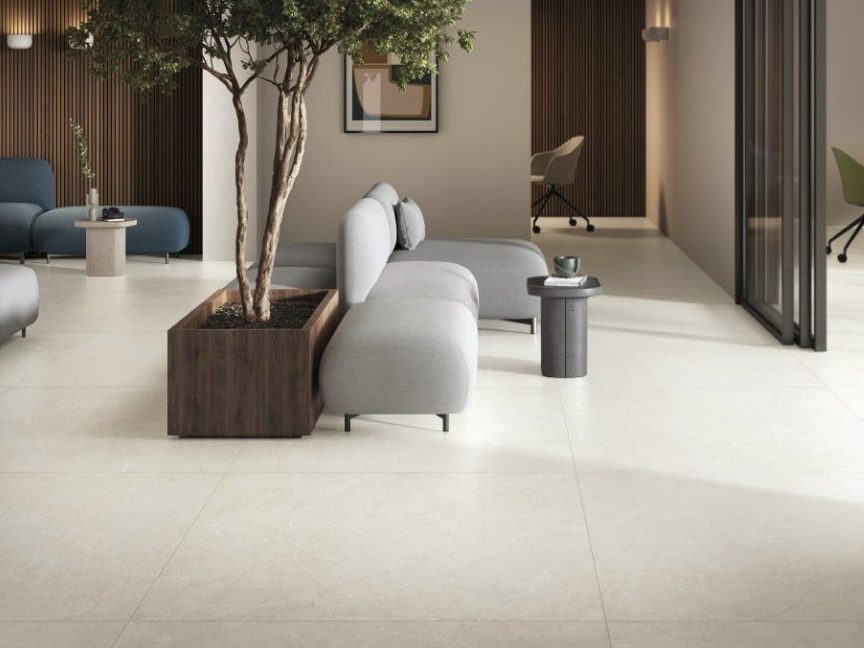
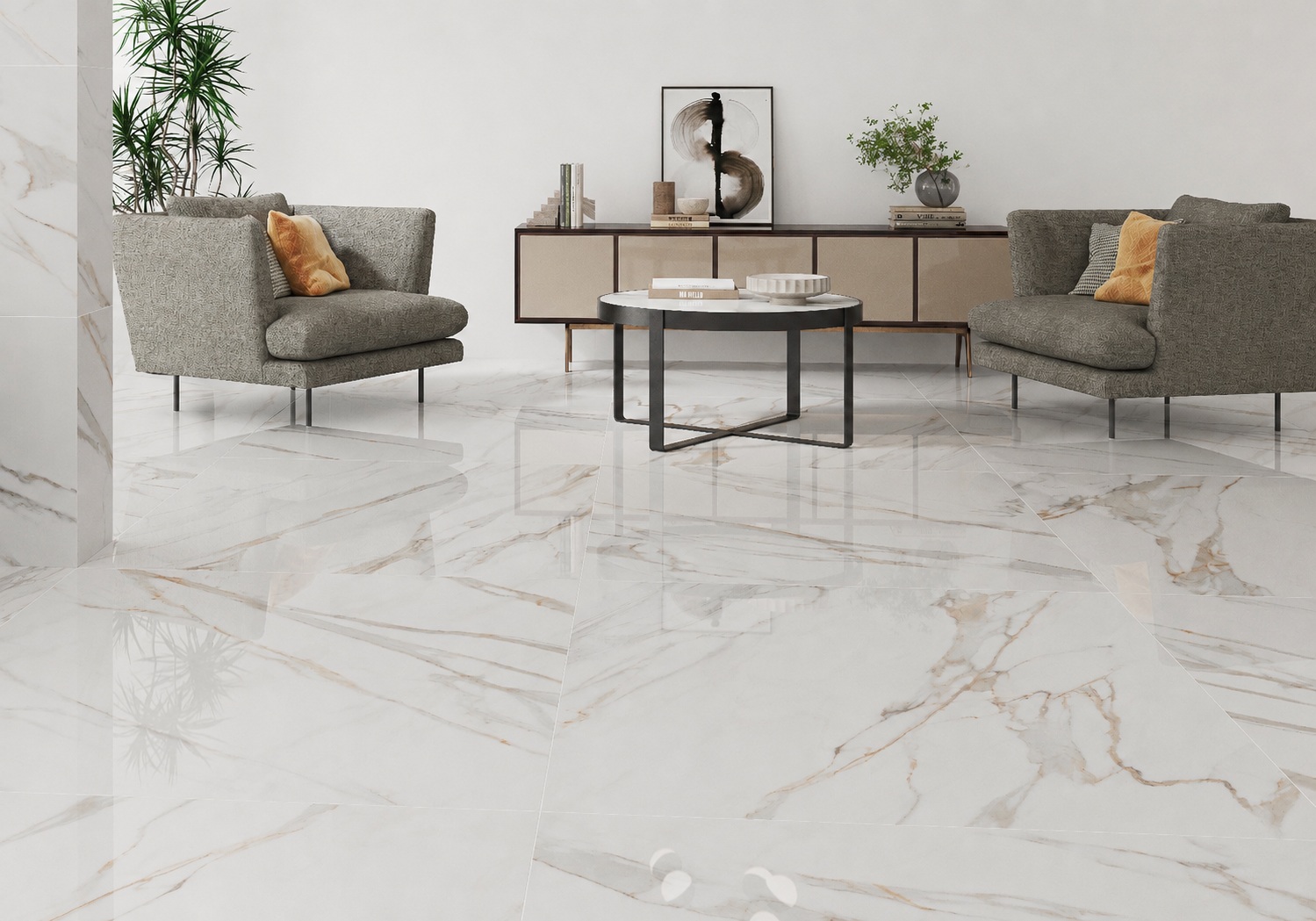
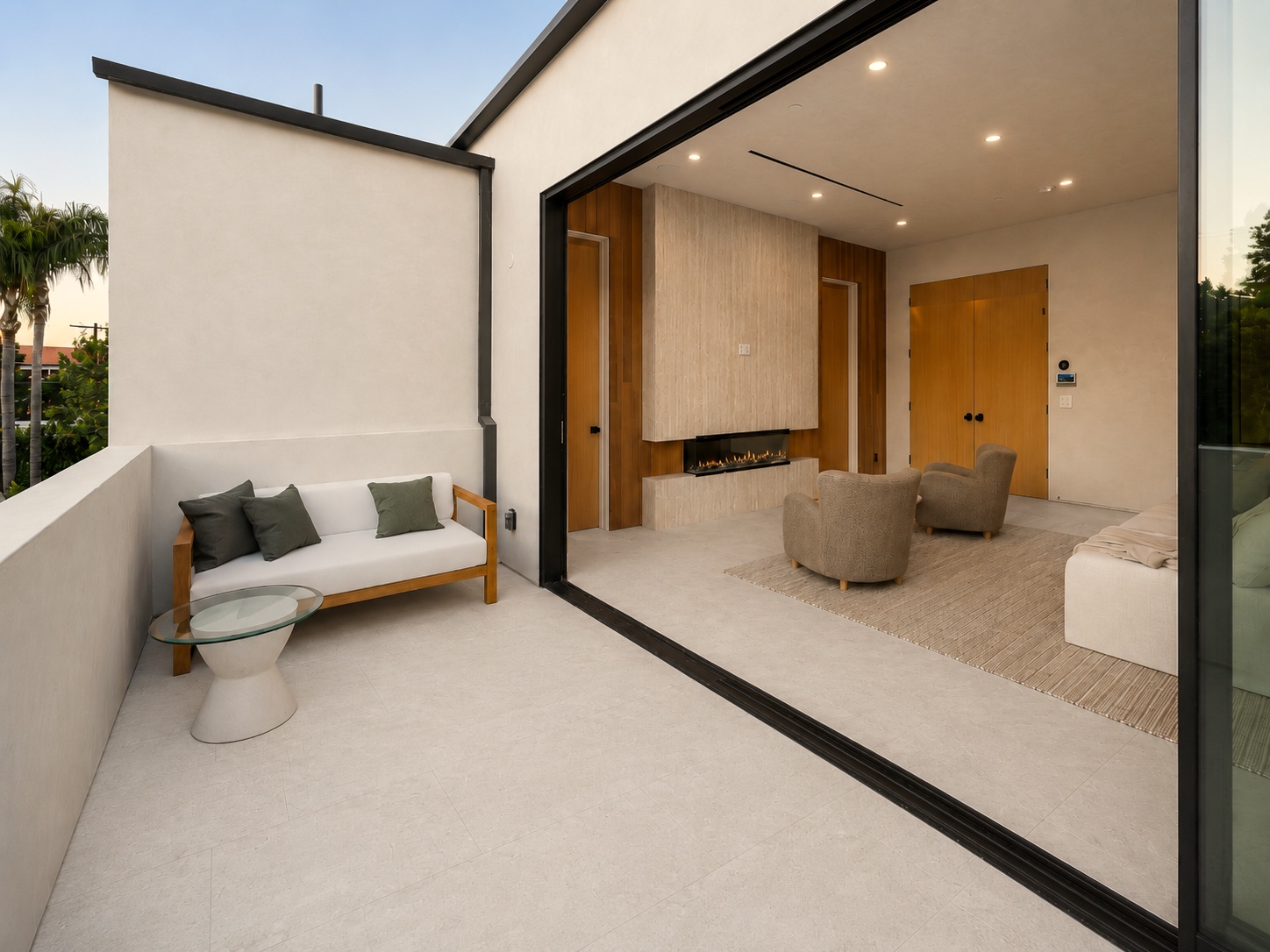
Choosing between matte and polished porcelain is not simply a choice between dull and shiny. The finish affects how light interacts with the tile, how colors and designs are perceived, how the surface feels underfoot, and which applications the tile may be best suited for.
The design difference between the two finishes is more than just glare. A polished finish stands out immediately, adds a more luxurious feel to the room, and brings greater definition to the tile’s colors and design details. A matte finish offers a more understated appearance that feels softer, calmer, and more subtle.
Scratch resistance is measured as deep abrasion using the Mohs hardness scale. Matte-finish porcelain tiles usually score between 6 and 7 on the Mohs scale, while polished tiles typically score between 3.5 and 4.5. If your vendor claims a higher rating, you may want to ask for the factory specification sheet for that particular tile to verify it.
Not necessarily. A matte finish may feel less slippery underfoot than a polished surface, but matte alone does not guarantee a higher level of slip resistance. The actual performance depends on the tile’s surface texture and slip-resistance rating. Grip and In & Out finishes are specifically designed to provide more traction, which is why they are generally better suited for areas where additional slip resistance is needed.
In many everyday situations, yes. Polished porcelain tiles have a thicker nano-sealed surface, which can make sticky residue more likely to cling to the finish. This difference does not really apply to ordinary dust, but with sticky spills, matte-finish tiles can often be cleaned with warm water alone without needing a cleaning product.
Product Filters
Shop Matte Finish Tiles
-
 Subtle Design & Light TonesIn stockREGULAR$84.64–$84.65 / boxMEMBER$68.64 / box
 -
 Calacatta Gold Look TileIn stockREGULAR$81.99–$100.60 / boxMEMBER$74.25–$97.50 / box
 -
 Ivory Travertine Tile With Subtle DesignIn stockREGULAR$116.10–$144.00 / boxMEMBER$100.60–$123.85 / box
 -
 Light Color Limestone Look TileIn stockREGULAR$307.72 / boxMEMBER$279.72 / box
 -
 Light Grey Concrete Look TileIn stockREGULAR$307.72 / boxMEMBER$279.72 / box
 -
 Warm White Marble Look Tile with Minimal DesignIn stockREGULAR$307.72 / boxMEMBER$237.72 / box
 -
Calacatta Gold Marble Look TileIn stockREGULAR$307.72 / boxMEMBER$237.72 / box
-
 Light Grey Limestone Look TileIn stockREGULAR$307.72 / boxMEMBER$279.72 / box
 -
Solid White Concrete Look TileIn stockREGULAR$307.72 / boxMEMBER$279.72 / box
-
 Designless White TileIn stockREGULAR$139.35 / boxMEMBER$123.85 / box
 -
 White Stone Look Tile With GreyIn stockREGULAR$97.50–$139.35 / boxMEMBER$82.00–$123.85 / box
 -
 LOW STOCK – TO BE DISCONTINUEDIn stockREGULAR$82.00–$108.35 / boxMEMBER$66.50–$97.50 / box
 -
 Minimalist Light Beige TileIn stockREGULAR$108.35–$123.85 / boxMEMBER$85.10–$100.60 / box
 -
 Light Beige Concrete Look TileIn stockREGULAR$79.84–$92.64 / boxMEMBER$59.04–$76.64 / box
 -
Natural Beauty of Light TravertineIn stockREGULAR$84.64–$95.84 / boxMEMBER$57.44–$71.84 / box
-
 Limestone Look TileIn stockREGULAR$108.35–$123.85 / boxMEMBER$85.10–$100.60 / box