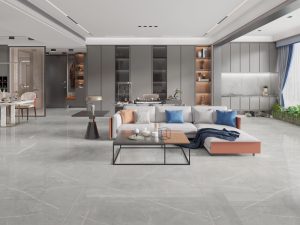

Differences Between Porcelain and Ceramic Tile
What Makes a Ceramic Tile Become a Porcelain Tile, and More
When it comes to choosing tiles for your home, understanding the differences between porcelain and ceramic tiles is key to making the right decision. These tiles are a lasting investment, as they’re expected to serve you for 10–15 years or more. This guide will explain you what is porcelain tile and point out the difference between ceramic and porcelain tiles while helping you determine which option is best suited for your needs.
What Is Porcelain Tile?
Porcelain tile is a type of ceramic tile, but not all ceramic tiles are porcelain. What sets porcelain apart is its high density and low water absorption rate (less than or equal to 0.5%). This makes porcelain tiles harder, more durable, and less porous than standard ceramic tiles.
Key Features of Porcelain Tiles:
High Density: Porcelain tiles are extremely dense, making them ideal for both heavy-traffic areas and outdoor use.
Waterproof: The low water absorption rate protects them against moisture damage, making them perfect for bathrooms and kitchens.
Scratch-Resistant: Porcelain tiles generally have a Mohs hardness between 4-8, meaning they resist scratches better than softer materials like marble.
Quick Tip: Don’t worry if the box of porcelain tiles you purchased says “ceramic.” Porcelain belongs to ceramic tile, so manufacturers often use “ceramic” as a general category.
Waterproof: The low water absorption rate protects them against moisture damage, making them perfect for bathrooms and kitchens.
Scratch-Resistant: Porcelain tiles generally have a Mohs hardness between 4-8, meaning they resist scratches better than softer materials like marble.
Quick Tip: Don’t worry if the box of porcelain tiles you purchased says “ceramic.” Porcelain belongs to ceramic tile, so manufacturers often use “ceramic” as a general category.
What Are Wall Tiles?
Wall tiles are less dense than porcelain and absorb more water. While they’re not as tough as porcelain, they work perfectly for walls applications and with their lighter nature, they are easier to work with and they cause extra stress on drywalls.
Key Features of Wall Tiles:
Lightweight: Ceramic tiles are lighter and easier to cut, which makes them well-suited for walls.
Versatile Designs: Ceramic tiles come in a variety of glossy or matte designs that can add charm to your space.
Do note that ceramic wall tiles are not made for floors and should not be placed in areas with foot traffic.
Versatile Designs: Ceramic tiles come in a variety of glossy or matte designs that can add charm to your space.
Do note that ceramic wall tiles are not made for floors and should not be placed in areas with foot traffic.
Porcelain Tiles vs. Ceramic Wall Tiles: Key Differences
Here’s a quick comparison to help you decide between the two
| Feature | Porcelain Tiles | Ceramic Wall Tiles |
|---|---|---|
| Durability | Extremely durable for floors and high-traffic areas | Extremely durable on wall applications |
| Water Absorption | Less than 0.5%; highly moisture and frost resistant | More absorbent and less water-resistant |
| Application | All floors and walls including outdoor areas, wet areas like bathrooms or around pool | All interior walls |
| Scratch Resistance | High (Mohs scale 4-8) | High (Mohs scale 5-8) |
Are Polished Porcelain Tiles Slippery?
Not as much as you might think! Polished tiles today are mechanically polished and treated with a nano-seal, providing the some slip resistance as regular matte tiles. This technology has replaced older methods that relied on shiny glazes, which was slippery and infamous for its ripple effect in the gloss called “Orange Pee;”.
Will Porcelain Tiles Scratch?
While porcelain is highly scratch-resistant, it’s not scratch-proof. For example:
Matte porcelain tiles tend to have a Mohs hardness of 6-8.
Polished porcelain tiles are slightly softer, with a hardness of 4-5.
For comparison, dog nails have a hardness of 2-3, meaning they’re unlikely to leave scratches on porcelain tiles.
Matte porcelain tiles tend to have a Mohs hardness of 6-8.
Polished porcelain tiles are slightly softer, with a hardness of 4-5.
For comparison, dog nails have a hardness of 2-3, meaning they’re unlikely to leave scratches on porcelain tiles.
How to Clean Porcelain Tiles?
Porcelain tiles are remarkably low-maintenance. For daily cleaning, you can use warm water or a pH-neutral cleaner without soap, as soap can leave a film. Avoid strong acids and undiluted bleach on porcelain tiles.
Pro Tip: Matte tiles have higher scratch resistance and are easier to clean compared to polished tiles.
Discover more about how to clean tiles here.
Pro Tip: Matte tiles have higher scratch resistance and are easier to clean compared to polished tiles.
Discover more about how to clean tiles here.
Can Porcelain Tiles Be Used Outdoors?
Yes, porcelain tiles are excellent for outdoor use because of their low water absorption and durability. However, keep these points in mind:
Dark-colored tiles can become very hot under direct sunlight, especially because porcelain is made from silica, which retains heat.
Avoid using porcelain tiles on uncovered patios if you plan to walk barefoot frequently.
For outdoor installations, porcelain pavers may be a better option due to their enhanced durability.
Dark-colored tiles can become very hot under direct sunlight, especially because porcelain is made from silica, which retains heat.
Avoid using porcelain tiles on uncovered patios if you plan to walk barefoot frequently.
For outdoor installations, porcelain pavers may be a better option due to their enhanced durability.
How to Choose Between Porcelain and Ceramic Tiles
Choosing between porcelain and ceramic tiles ultimately depends on your space, budget, and needs. Here’s how you can decide:
For High-Traffic Areas or Outdoors: Porcelain is the best choice due to its toughness and weather resistance.
For Low-Traffic Indoor Spaces: Ceramic tiles work well on walls or in rooms with less wear and tear, and they’re more affordable.
Budget Considerations: While porcelain is pricier, its durability makes it a long-term investment for busy spaces.
Still unsure? Start with smaller sample tiles to see how they look and feel in your space.
For High-Traffic Areas or Outdoors: Porcelain is the best choice due to its toughness and weather resistance.
For Low-Traffic Indoor Spaces: Ceramic tiles work well on walls or in rooms with less wear and tear, and they’re more affordable.
Budget Considerations: While porcelain is pricier, its durability makes it a long-term investment for busy spaces.
Still unsure? Start with smaller sample tiles to see how they look and feel in your space.