

What Is Biophilic Design?
Adding Nature into the Concrete
Biophilic design isn’t just a trend; it’s a movement that recognizes our innate connection to nature. Imagine stepping into a space where the indoors seamlessly merges with the outdoors—a place where you feel rejuvenated, inspired, and at peace. That’s the magic of biophilic design.
At its core, biophilia means “love of life.” It’s our deep-rooted affinity for the natural world—the rustling leaves, the scent of pine, the play of sunlight on water. Biophilic design harnesses this love by intentionally incorporating natural elements into our built environments. It’s about more than just adding a few potted plants; it’s a holistic approach that considers how we interact with our surroundings.
At its core, biophilia means “love of life.” It’s our deep-rooted affinity for the natural world—the rustling leaves, the scent of pine, the play of sunlight on water. Biophilic design harnesses this love by intentionally incorporating natural elements into our built environments. It’s about more than just adding a few potted plants; it’s a holistic approach that considers how we interact with our surroundings.
The Benefits of Living in a Biophilic Home
Health and Well-Being: Numerous studies confirm that exposure to nature positively impacts our physical, mental, and emotional health. Biophilic homes reduce stress, boost mood, and enhance overall well-being. Imagine waking up to sunlight streaming through your bedroom window or feeling the breeze on your skin as you work—it’s like a daily dose of vitality.
Productivity and Creativity: Biophilic spaces foster creativity and productivity. Natural light, greenery, and organic shapes stimulate our minds. Whether you’re working from home or pursuing a hobby, a biophilic environment encourages focus and inspiration.
Connection to Nature: We spend most of our time indoors (around 90%!). Biophilic design bridges this gap by bringing nature inside. It’s not just about aesthetics; it’s about aligning our built environment with our evolutionary need for natural elements.
Improved Air Quality: Indoor plants act as natural air purifiers, filtering out toxins and releasing oxygen. Biophilic homes breathe better, literally.
Circadian Rhythms: Exposure to natural light regulates our internal clocks. Biophilic design ensures that our sleep-wake cycles stay in sync, leading to better rest and overall health.
Productivity and Creativity: Biophilic spaces foster creativity and productivity. Natural light, greenery, and organic shapes stimulate our minds. Whether you’re working from home or pursuing a hobby, a biophilic environment encourages focus and inspiration.
Connection to Nature: We spend most of our time indoors (around 90%!). Biophilic design bridges this gap by bringing nature inside. It’s not just about aesthetics; it’s about aligning our built environment with our evolutionary need for natural elements.
Improved Air Quality: Indoor plants act as natural air purifiers, filtering out toxins and releasing oxygen. Biophilic homes breathe better, literally.
Circadian Rhythms: Exposure to natural light regulates our internal clocks. Biophilic design ensures that our sleep-wake cycles stay in sync, leading to better rest and overall health.
Elements of Biophilic Design
Natural Light: Maximize daylight. Large windows, skylights, and light wells invite the sun’s warmth and vitality.
Indoor Plants: Greenery soothes the soul. From tiny succulents to lush ferns, plants infuse life into our spaces.
Natural Materials: Wood, marble, tile, and other organic materials ground us. They evoke a sense of authenticity and timelessness.
Water Features: The sound of flowing water—whether from a fountain or a small indoor stream—calms our nerves and connects us to nature.
Views and Prospect: Orient your rooms toward outdoor vistas. A glimpse of trees or a garden can transform a space.
Textures and Patterns: Think about tactile experiences. Rough textures, like natural stone, evoke the outdoors.
Indoor Plants: Greenery soothes the soul. From tiny succulents to lush ferns, plants infuse life into our spaces.
Natural Materials: Wood, marble, tile, and other organic materials ground us. They evoke a sense of authenticity and timelessness.
Water Features: The sound of flowing water—whether from a fountain or a small indoor stream—calms our nerves and connects us to nature.
Views and Prospect: Orient your rooms toward outdoor vistas. A glimpse of trees or a garden can transform a space.
Textures and Patterns: Think about tactile experiences. Rough textures, like natural stone, evoke the outdoors.
Incorporating Biophilic Design on Any Budget
Start Small: Add a few indoor plants. Even a single potted succulent on your desk counts!
Natural Materials: Opt for wooden furniture or marble countertops. These materials age beautifully and resonate with nature.
Art and Photography: Hang nature-inspired artwork or photographs. They transport you to serene landscapes.
Openness: Create flow between rooms. Remove barriers and let energy circulate freely.
Remember, biophilic design isn’t reserved for luxurious homes—it’s for everyone. Whether you live in a studio apartment or a sprawling house, infusing nature into your space is within reach.
So, let’s embrace the beauty of biophilia. Let our homes breathe, bloom, and echo the wisdom of Frank Lloyd Wright: “Study nature, love nature, stay close to nature. It will never fail you.”
Natural Materials: Opt for wooden furniture or marble countertops. These materials age beautifully and resonate with nature.
Art and Photography: Hang nature-inspired artwork or photographs. They transport you to serene landscapes.
Openness: Create flow between rooms. Remove barriers and let energy circulate freely.
Remember, biophilic design isn’t reserved for luxurious homes—it’s for everyone. Whether you live in a studio apartment or a sprawling house, infusing nature into your space is within reach.
So, let’s embrace the beauty of biophilia. Let our homes breathe, bloom, and echo the wisdom of Frank Lloyd Wright: “Study nature, love nature, stay close to nature. It will never fail you.”
What is Biophilic Tile Design
Porcelain tile is an excellent choice for creating biophilic designs. Let’s explore why:
Natural Material: Porcelain tile is crafted from naturally occurring ingredients like clay, sand, and feldspar. It is 98% recyclable. Therefore, its composition aligns beautifully with the organic essence of biophilic design1. When you step into a room adorned with porcelain tile, you’re surrounded by a touch of nature.
Health Considerations: Porcelain tile doesn’t contain harmful substances like formaldehyde, VOCs (volatile organic compounds), or PVCs. So, not only does it mimic natural materials, but it also contributes to a healthier indoor environment making B
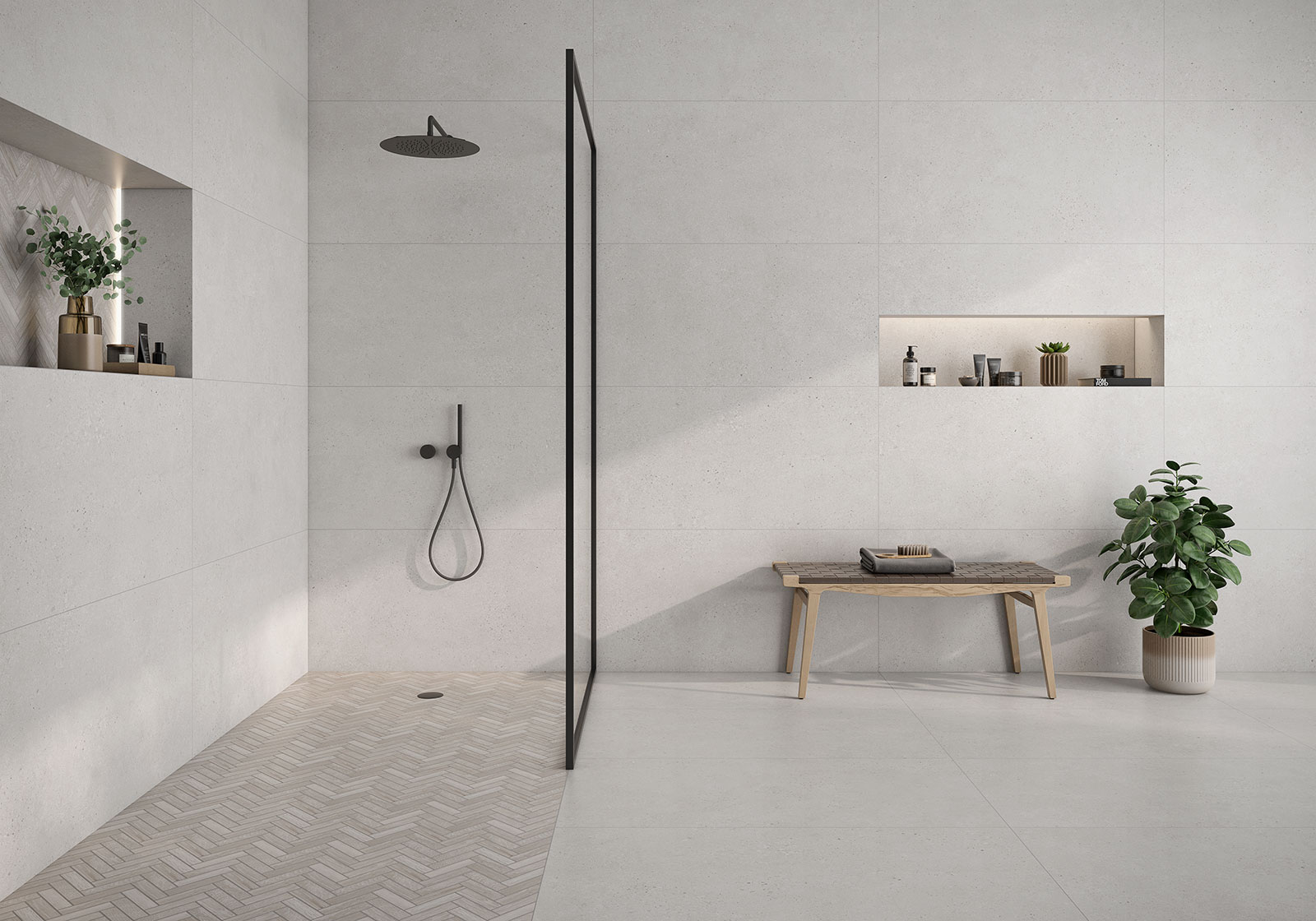
Versatility: Porcelain tile can be manufactured in countless styles, including those with natural textures and colors. Whether you want the look of wood, stone, or even leafy patterns, porcelain tile can achieve it. This adaptability makes it a perfect material for achieving biophilic design besides, today’s large format porcelain tiles offer a continuous surface with mimical distraction of grout lines that we would like see in biophilic designs.
So, go ahead—bring the outdoors in! Choose porcelain tile for your floors, walls, and surfaces, and let nature’s beauty permeate your living spaces.
Natural Material: Porcelain tile is crafted from naturally occurring ingredients like clay, sand, and feldspar. It is 98% recyclable. Therefore, its composition aligns beautifully with the organic essence of biophilic design1. When you step into a room adorned with porcelain tile, you’re surrounded by a touch of nature.
Health Considerations: Porcelain tile doesn’t contain harmful substances like formaldehyde, VOCs (volatile organic compounds), or PVCs. So, not only does it mimic natural materials, but it also contributes to a healthier indoor environment making B
Versatility: Porcelain tile can be manufactured in countless styles, including those with natural textures and colors. Whether you want the look of wood, stone, or even leafy patterns, porcelain tile can achieve it. This adaptability makes it a perfect material for achieving biophilic design besides, today’s large format porcelain tiles offer a continuous surface with mimical distraction of grout lines that we would like see in biophilic designs.
So, go ahead—bring the outdoors in! Choose porcelain tile for your floors, walls, and surfaces, and let nature’s beauty permeate your living spaces.
Our Biophilic Tile Design Picks
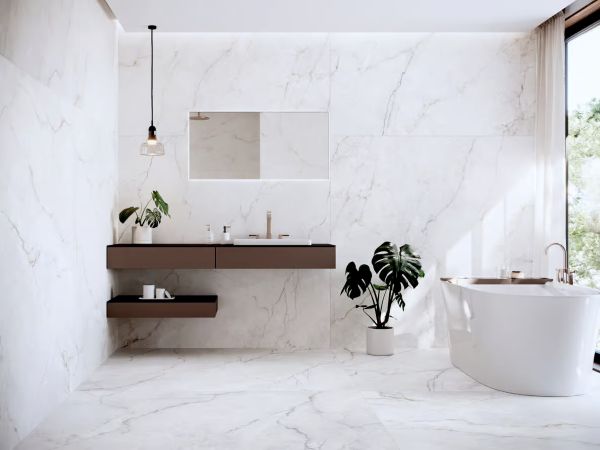
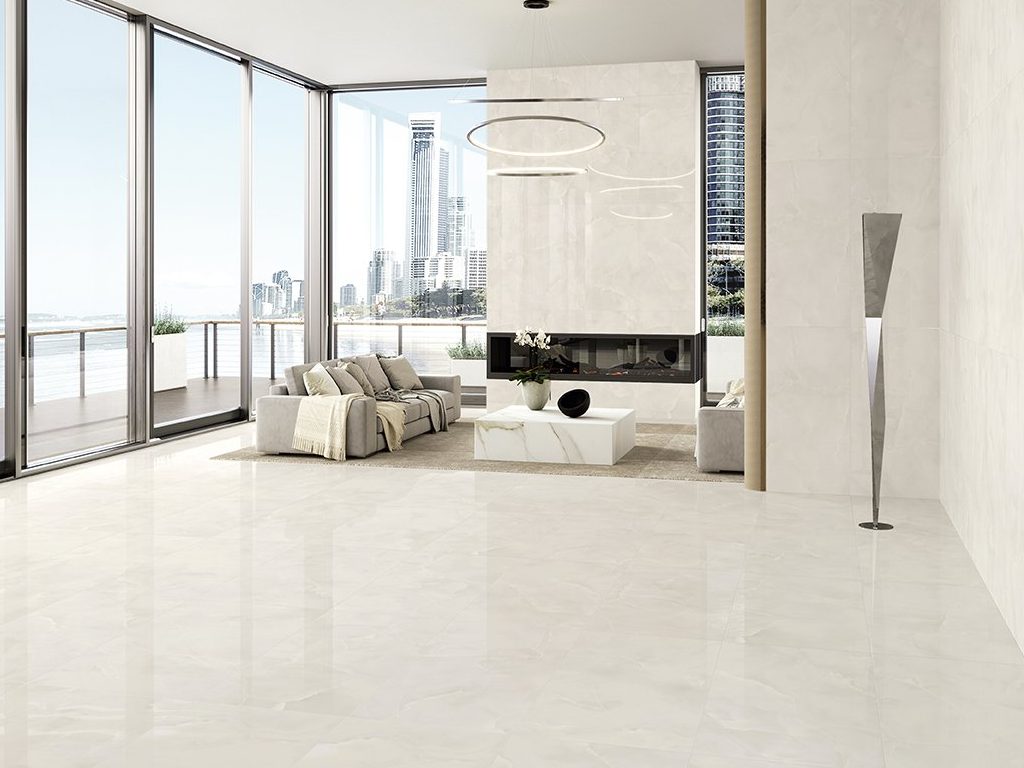
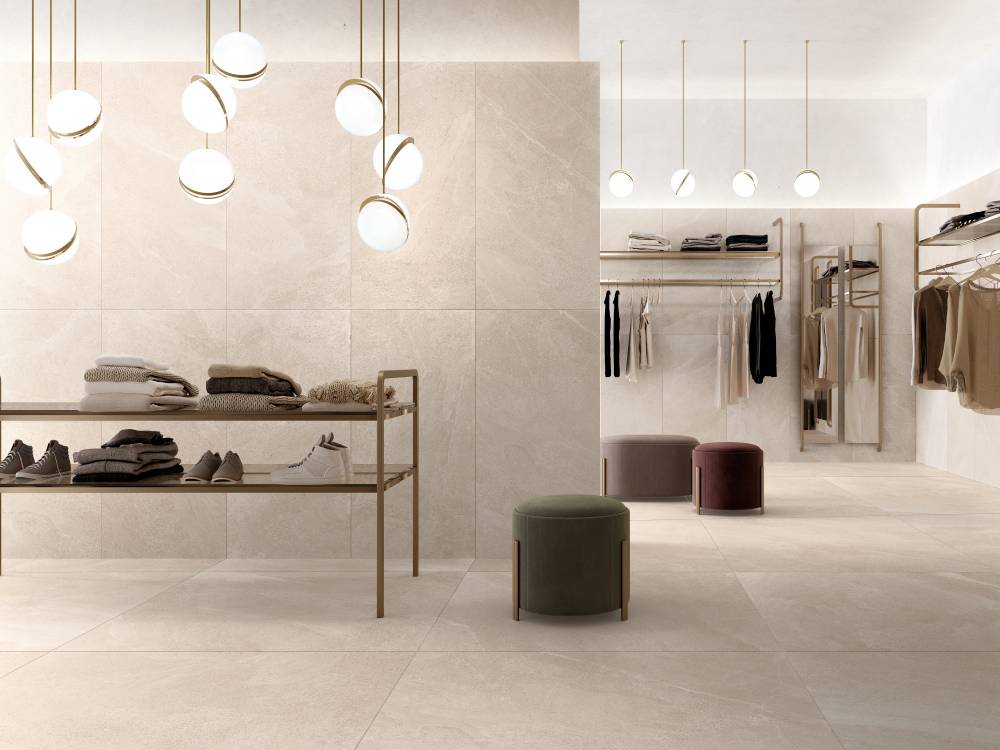
Large-format tiles with a minimalist character and seamless appearance are ideal for biophilic interiors. Below are a few of our favorite tiles that capture this natural aesthetic.
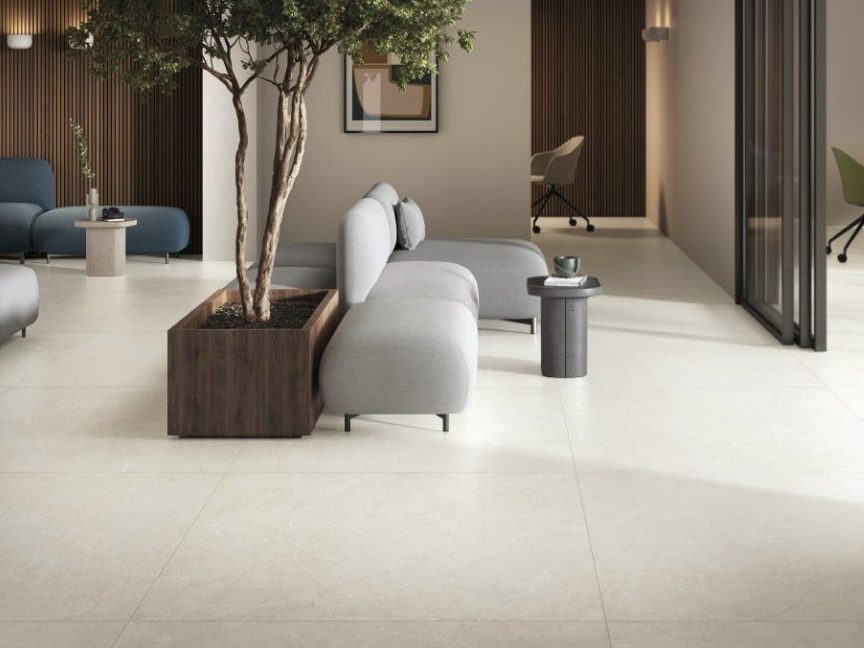
Nordic Stone Bone
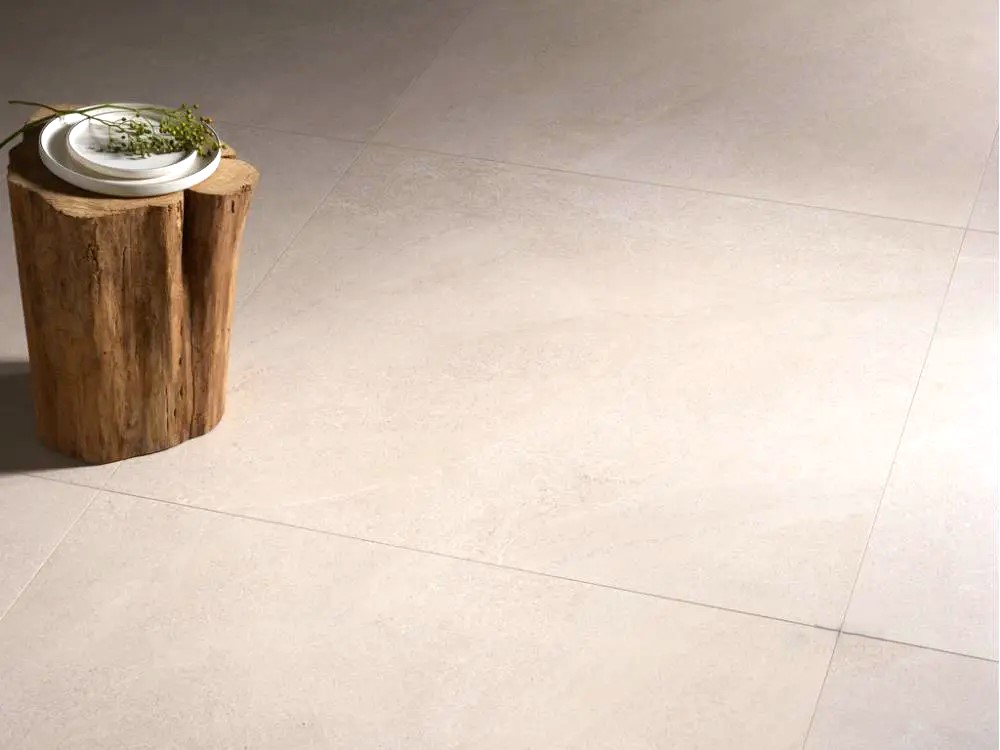
Tune Ivory
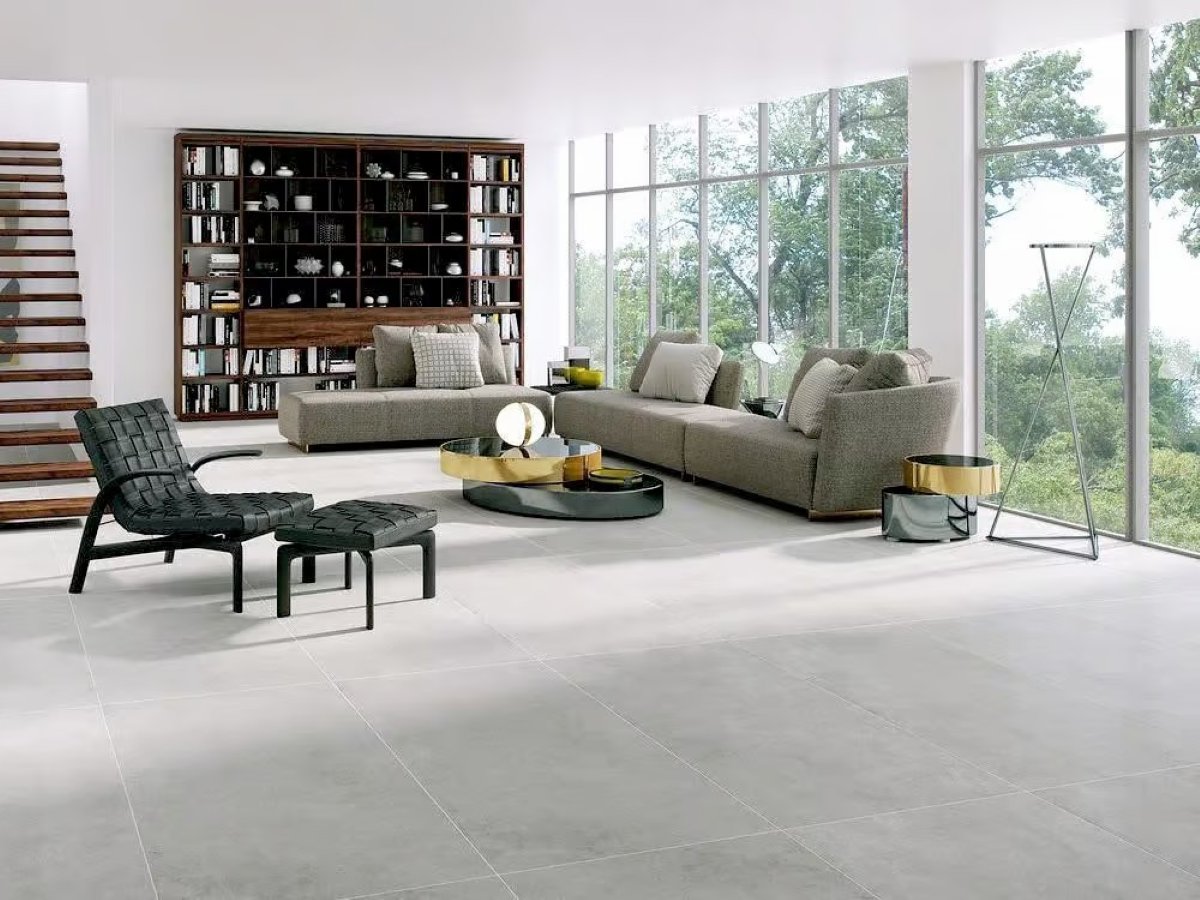
Cosmo Grey
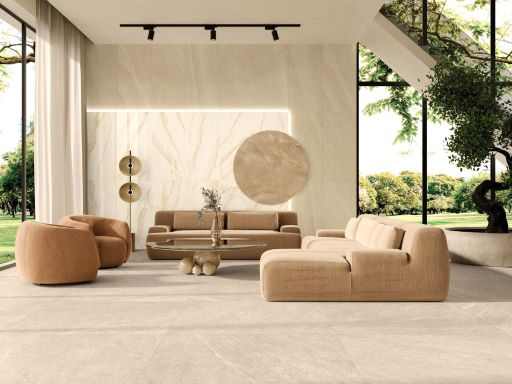
Limestone Sand

Stella
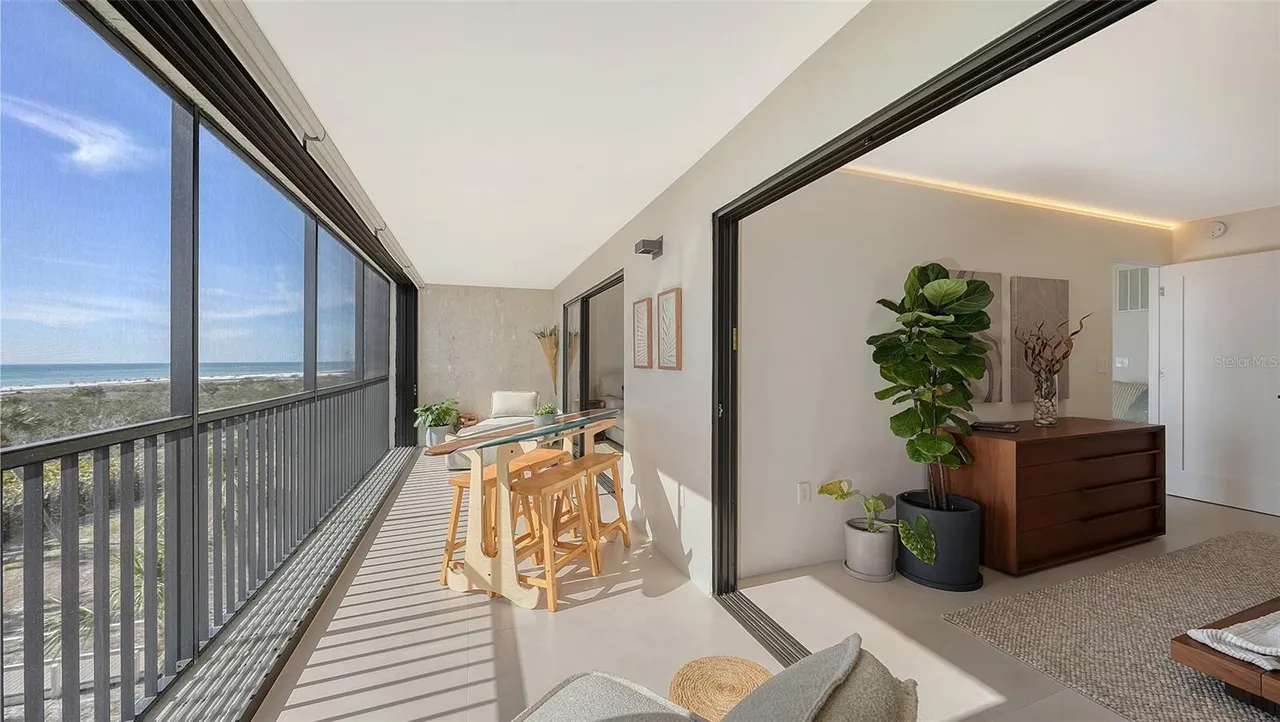
Uptown Ivory
Aura White

Pierre De Lens