



24×24 Calacatta Blue

Out of Stock
Polished Porcelain Tile
Additional information
|
Description
Calacatta Blue 24×24 Rectified Porcelain Tile Made in Spain
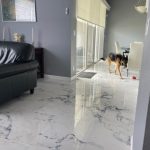
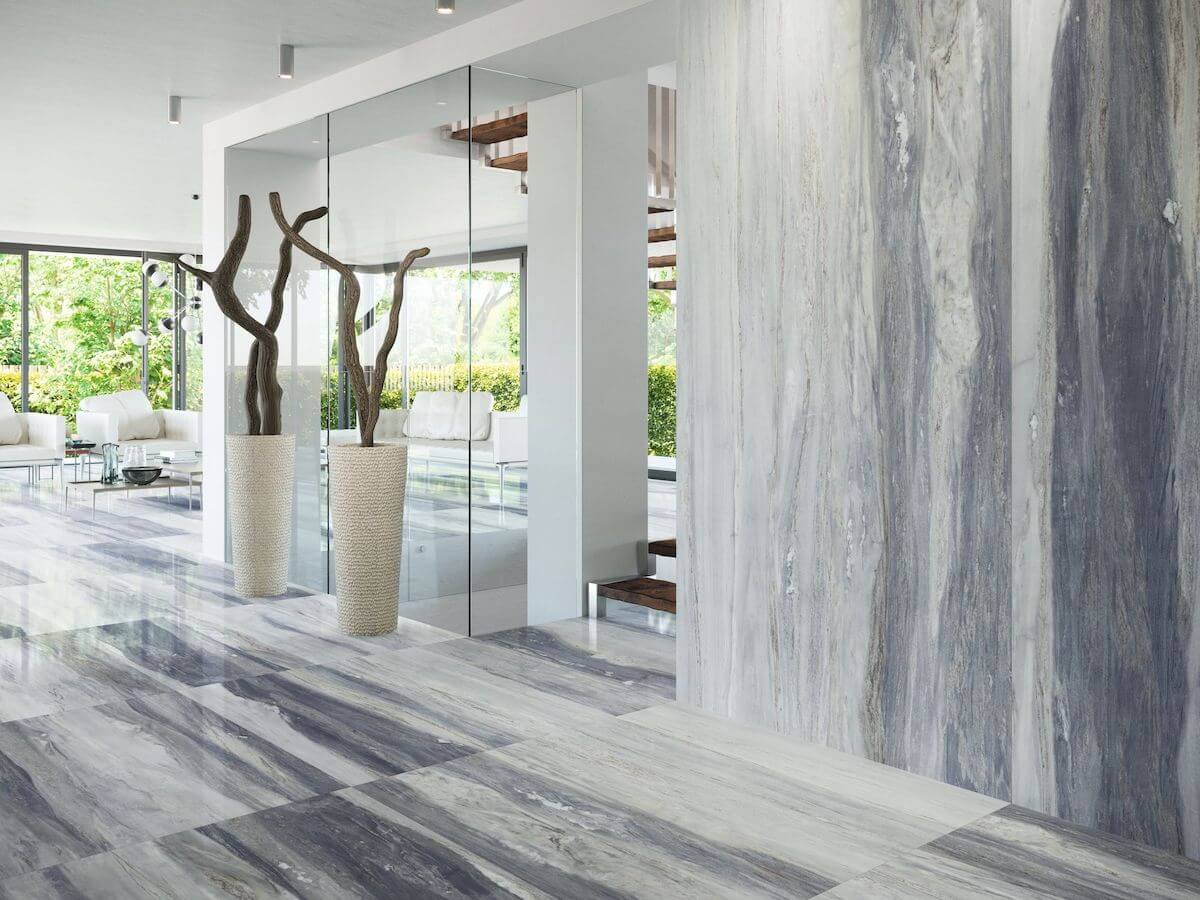
Calacatta Blue is a white and blue rectified porcelain tile from Spain that comes with a polished finish. This tile has a design that stands out with its blue veining over a white background. It’s a beautiful tile that looks like the marble that many people dream of but that doesn’t exist naturally. While a white and blue tile does not exist naturally, tile production technology has continued to advance significantly since its origin. So if you have been dreaming of a blue and white tile, Calacatta Blue is a perfect choice for you. As a statement (accent) tile or as a primary tile used to cover your floor and walls, this tile has a beautiful and unique visual appeal that is sure to impress. In addition to this, it is imported directly from a renowned manufacturer in Spain. They are known for both their great value and quality as well as their unique tile designs. 24×24 rectified polished porcelain tile from Spain
24×24 Calacatta Blue tile comes with a polished finish.
Polished finish and shiny finish are not the only two different words to describe the glossy look. In fact, these words refer to two different finishes that result in a similar visual appearance. Whereas a polished finish is the result of a mechanical polishing process of the matte glaze, the word shiny refers to a glossy glaze. While that may be confusing, to clarify, that’s the glaze that we see in ceramic products such as kitchen plates and coffee mugs. The shiny glaze on tiles is infamous for being slippery. Therefore, we recommend polished tiles, as they offer better shine compared to glossy tiles. Whereas polished porcelain tiles offer a solid shine like real marble, glossy tiles’ shine ripples and is often called “orange peel.”
What’s porcelain tile, what’s ceramic tile
What are the minimal grout lines
Large-format porcelain tile requires proper substrate preparation, handling, mortar coverage, leveling, and grout-joint planning. For best results, review our detailed installation guide before beginning your project.
Where to Use This Tile, and How Tile Finishes Work
Similar tiles to consider
-
Beige Calacatta Look TileREGULAR$77.35 / boxMEMBER$61.85 / box
-
Exotically Colored Crystalline Polished DesignREGULAR$92.85 / boxMEMBER$77.35 / box
-
Exotically Colored Cement Style DesignREGULAR$77.35 / boxMEMBER$46.35 / box



There are no reviews yet.